

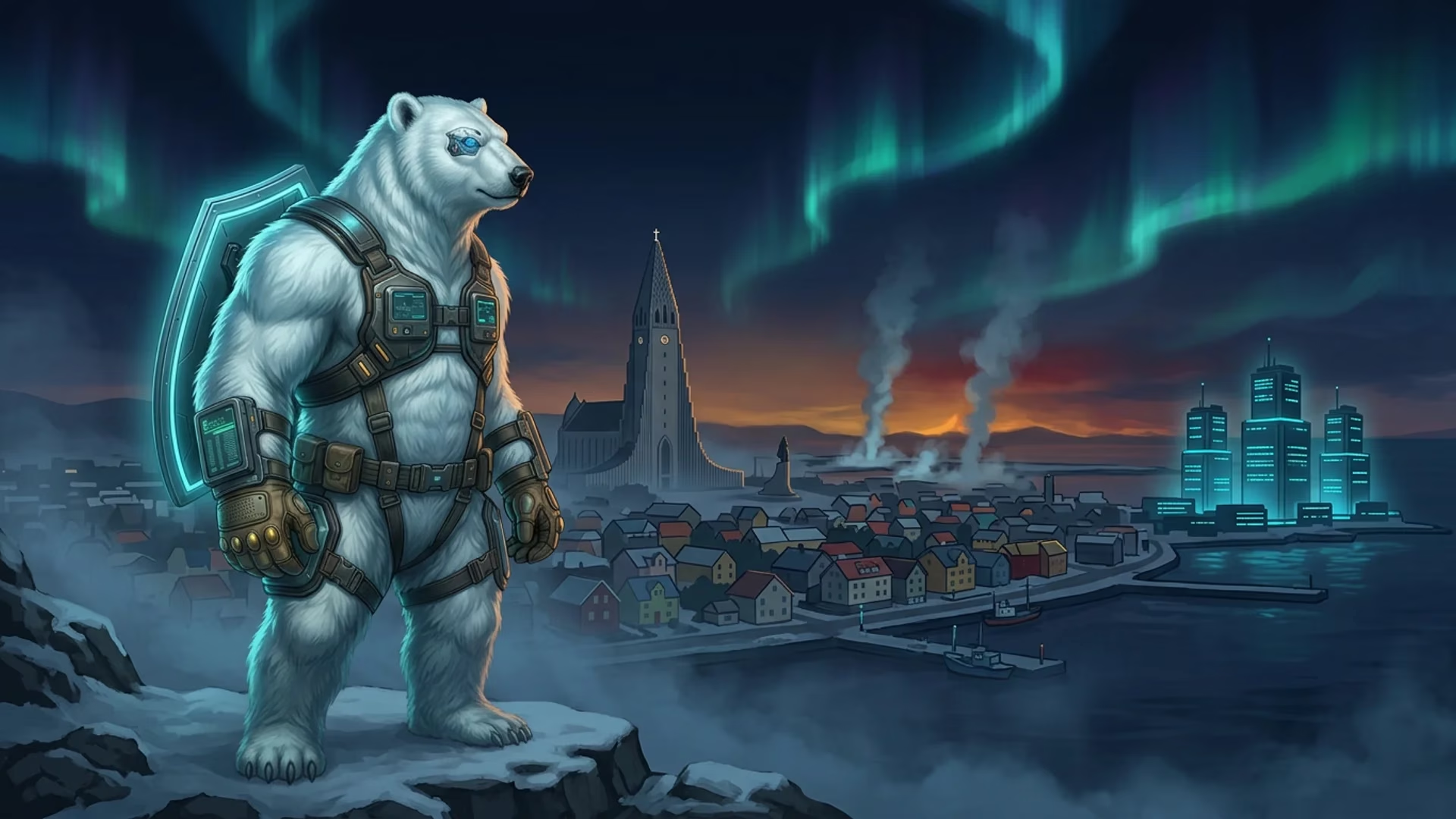
संवैधानिक आधार है आइसलैंड गणराज्य के संविधान का अनुच्छेद 73: अभिव्यक्ति की स्वतंत्रता एक मौलिक अधिकार के रूप में, सेंसरशिप और उस जैसी बाधाएँ स्पष्ट रूप से वर्जित, और प्रतिबंध केवल उतने ही जितने एक लोकतांत्रिक समाज में आवश्यक हों। यह तो न्यूनतम स्तर है। इस तुलना के हर दूसरे न्यायक्षेत्र से आइसलैंड को जो चीज़ अलग बनाती है, वह है उसकी ऊपरी सीमा।
जून 2010 में, Wikileaks के केबल खुलासों के बाद, Althingi (आइसलैंड की संसद) ने Icelandic Modern Media Initiative (IMMI) पारित की — एक संसदीय प्रस्ताव, जिसमें सर्वसम्मति से सरकार को निर्देश दिया गया कि वह क़ानून के ज़रिए दुनिया का सबसे मज़बूत प्रेस और स्रोत-संरक्षण ढाँचा लागू करे। IMMI में स्रोत संरक्षण, मध्यस्थ प्रतिरक्षा (होस्टिंग प्रदाता अपने ग्राहकों की अभिव्यक्ति के लिए उत्तरदायी नहीं है), व्हिसलब्लोअर संरक्षण, पूर्व-प्रतिबंध की सीमाएँ और libel-tourism के विरुद्ध एक मज़बूत ढाल, सब एक साथ बँधे हैं। यह एकमात्र राष्ट्रीय क़ानूनी ढाँचा है जो शुरू से ही डिजिटल प्रकाशकों के लिए लिखा गया है। RKV.001 पर पिन किया गया VPS डिफ़ॉल्ट रूप से उसी ढाँचे के भीतर होता है।
फिर ऊर्जा की कहानी भी है। आइसलैंड का बिजली ग्रिड मूलतः 100 प्रतिशत नवीकरणीय है — मोटे तौर पर 70 प्रतिशत जलविद्युत और 30 प्रतिशत भूतापीय, जिसमें जीवाश्म-ईंधन से उत्पादन नगण्य है। वहाँ की ठंडी हवा, असल में, मुफ़्त PUE है। जिन वर्कलोड में कार्बन फ़ुटप्रिंट खरीद का एक मानदंड है, या जहाँ कूलिंग का बिल बढ़ाए बिना compute घनत्व बढ़ाना है, वहाँ आइसलैंड की स्थिति अनूठी है — गोपनीयता और स्थिरता एक ही मद में, बिना offsets खरीदे।
